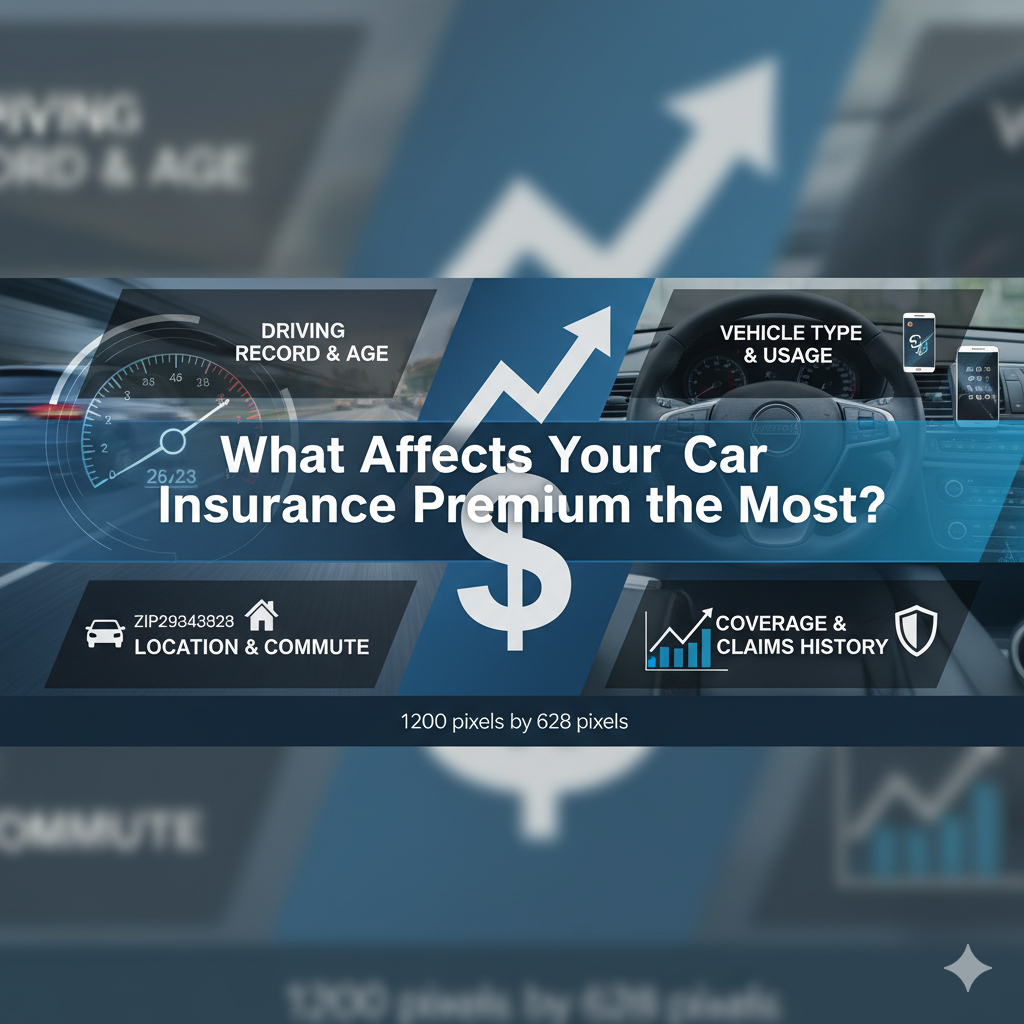
Car insurance premiums can vary significantly from person to person. Several key factors influence how much you pay for car insurance. Understanding these factors can help you make informed decisions when shopping for coverage. Here are some of the most significant elements that affect your car insurance premium:
1. **Driving Record**: Your driving history plays a crucial role in determining your car insurance premium. If you have a history of accidents or traffic violations, you may be considered a higher risk driver, leading to higher premiums.
2. **Age and Gender**: Younger drivers, especially teenagers, generally have higher car insurance premiums due to their lack of experience on the road. Additionally, gender can also impact insurance rates, with young male drivers typically facing higher premiums.
3. **Vehicle Type**: The make and model of your car can affect your insurance premium. Expensive or high-performance vehicles may cost more to insure due to the higher cost of repairs or the likelihood of theft.
4. **Location**: Where you live can influence your car insurance premium. Urban areas with higher rates of accidents or theft may result in higher premiums compared to rural areas.
5. **Credit Score**: In some states, your credit score can impact your car insurance premium. A lower credit score may lead to higher rates as insurers may view you as a higher risk.
6. **Annual Mileage**: The number of miles you drive annually can impact your premium. Drivers with longer commutes or who frequently drive long distances may face higher rates.
7. **Coverage Limits**: The amount of coverage you choose also affects your premium. Opting for higher coverage limits or additional coverage options will increase your premium.
8. **Deductible Amount**: Your deductible is the amount you pay out of pocket before your insurance coverage kicks in. Choosing a higher deductible can lower your premium, but it means you’ll pay more in the event of a claim.
9. **Insurance History**: Your prior insurance coverage and claims history can influence your premium. A history of filing numerous claims may result in higher rates.
10. **Marital Status**: Married individuals often receive lower car insurance premiums compared to single drivers. Insurers view married policyholders as more stable and responsible.
11. **Occupation**: Some occupations are considered lower risk by insurers, leading to lower premiums. For example, teachers or healthcare professionals may receive discounts on their car insurance.
12. **Safety Features**: Vehicles equipped with safety features such as anti-theft devices, airbags, and backup cameras may qualify for discounts on insurance premiums.
13. **Driving Habits**: Your driving habits, such as speeding or frequent hard braking, can be monitored through telematics devices. Safe driving habits can result in discounts on your premium.
14. **Insurance Company**: Different insurance companies have varying rates and discounts. It’s essential to compare quotes from multiple insurers to find the best rate for your coverage needs.
15. **Bundle Policies**: Insuring multiple vehicles or bundling your car insurance with other policies like home or renters insurance can lead to discounts on your premium.
16. **Claims Frequency in Your Area**: If your area has a high frequency of insurance claims, it can impact your premium, even if you have a clean driving record.
17. **Loyalty Discounts**: Some insurers offer discounts to policyholders who have been with them for a certain period. Loyalty discounts can help lower your premium over time.
18. **Driving Course**: Completing a defensive driving course or driver education program may qualify you for discounts on your car insurance premium.
Understanding the factors that influence your car insurance premium can help you make informed decisions when selecting coverage. By considering these elements and shopping around for quotes, you can find the best policy that suits your needs and budget. Remember, each individual’s situation is unique, so it’s essential to tailor your coverage to your specific circumstances.